
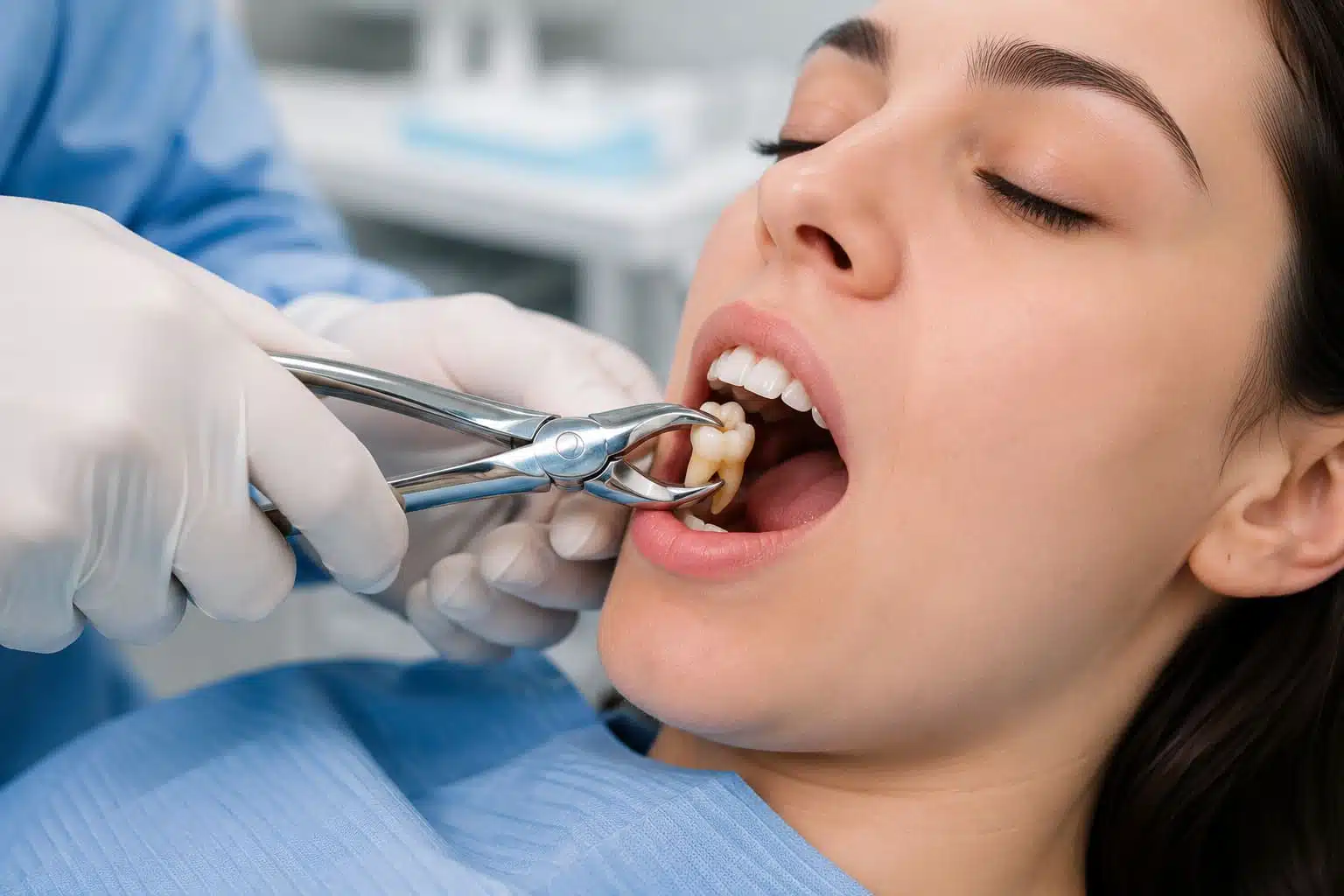
Wisdom teeth removal can make your mouth sore for a few days, but the right aftercare can make recovery much more comfortable. Most patients can manage discomfort with rest, cold compresses, soft foods, careful oral hygiene, and medication taken exactly as directed.
The biggest thing is not to disturb the healing area. The first few days are when your body forms and protects the blood clot that helps the socket heal.
If your wisdom teeth are causing pain, swelling, crowding, or gum irritation, Park Falls Dental provides gentle tooth extraction in Ukiah, CA and can help you understand what to expect before and after treatment.
What Pain Is Normal After Wisdom Teeth Removal?
Some soreness is expected after wisdom teeth removal, especially during the first few days. Your jaw may feel stiff, your cheeks may swell, and the extraction areas may feel tender.
Pain should usually become easier to manage as healing begins. If discomfort keeps getting worse instead of better, or if pain becomes sharp and intense a few days after the extraction, call your dental office.
| What You Feel | What It May Mean | What to Do |
| Mild soreness | Normal healing response | Rest and follow aftercare instructions |
| Swelling near the jaw | Common after extraction | Use cold compresses early |
| Jaw stiffness | Muscles may be irritated | Eat soft foods and avoid overuse |
| Bad taste or drainage | Possible healing issue or infection | Call the office |
| Severe pain after initial improvement | Possible dry socket concern | Contact your dentist promptly |
Step-by-Step Pain Management After Wisdom Teeth Removal

A simple recovery routine can help reduce discomfort and lower the risk of complications.
- Rest on the first day
Give your body time to begin healing. Avoid exercise, heavy lifting, and unnecessary activity right after the procedure. - Use ice packs early
Apply a cold compress to the outside of your cheek in short intervals during the first 24 hours if recommended. This can help with swelling and soreness. - Take medication as directed
Use prescribed or over-the-counter medication only as instructed by your dentist or the medication label. Do not increase doses on your own. - Eat soft foods
Choose foods that are easy to chew and do not disturb the extraction sites. - Avoid straws and smoking
Suction can dislodge the blood clot and increase the risk of dry socket. - Keep your mouth clean gently
Follow your dentist’s instructions for brushing and rinsing. Avoid aggressive swishing in the early healing period. - Watch for warning signs
Call the office if pain worsens, swelling increases, or something does not feel right.
Use Cold Compresses for Swelling
Swelling is common after wisdom teeth removal. Cold compresses can help during the early part of recovery, especially in the first 24 hours.
Wrap the ice pack or cold compress in a cloth and place it on the outside of your cheek. Do not place ice directly on your skin or inside your mouth.
After the first day or two, your dentist may recommend switching to gentle warmth if jaw stiffness becomes the bigger issue. Follow the instructions you were given at your appointment.
Eat Soft Foods That Do Not Disturb the Area

Food choices matter after wisdom teeth removal. The goal is to eat enough to support healing while avoiding foods that can irritate the sockets.
Good options may include:
- yogurt
- applesauce
- mashed potatoes
- scrambled eggs
- smoothies eaten with a spoon
- soup that is warm, not hot
- oatmeal
- soft pasta
- cottage cheese
- soft fish
Avoid crunchy, spicy, sticky, sharp, or seedy foods until your dentist says it is safe. Chips, popcorn, nuts, rice, seeds, and crusty bread can get stuck near the healing areas.
What to Avoid During Recovery
Some habits can make pain worse or slow healing. The first few days are especially important.
| Avoid This | Why It Matters |
| Straws | Suction can disturb the blood clot |
| Smoking or vaping | Can slow healing and increase dry socket risk |
| Hard or crunchy foods | Can irritate or injure the extraction area |
| Aggressive rinsing | May dislodge the clot |
| Heavy exercise too soon | Can increase bleeding or throbbing |
| Touching the area | Can introduce bacteria or disrupt healing |
| Skipping aftercare instructions | Raises the risk of complications |
A smoother recovery usually comes down to protecting the clot, keeping the area clean, and giving your mouth time to heal.
How to Sleep More Comfortably
Sleep can be uncomfortable the first night after wisdom teeth removal. Keeping your head slightly elevated may help reduce pressure and swelling.
Use pillows to support your head and avoid sleeping directly on the side that feels most sore. Keep gauze, water, and your dentist’s instructions nearby so you do not have to search for them if you wake up uncomfortable.
If bleeding continues longer than expected or feels heavy, contact your dental office for guidance.
How to Keep Your Mouth Clean
You still need to keep your mouth clean after wisdom teeth removal, but the cleaning should be gentle.
Brush the rest of your teeth carefully, avoiding the extraction sites at first unless your dentist gave specific instructions. If you were told to rinse with warm salt water, do it gently. Do not swish forcefully.
Park Falls Dental provides comprehensive general dentistry in Ukiah for patients who need preventive care, restorative treatment, and follow-up support after dental procedures.
When Pain May Be a Warning Sign

Some discomfort is normal. Certain symptoms are not something to ignore.
Call your dentist if you notice:
- pain that gets worse after the third or fourth day
- swelling that continues to increase
- fever
- pus, drainage, or a bad taste
- trouble opening your mouth
- bleeding that does not slow down
- severe throbbing pain
- numbness that does not improve
- difficulty swallowing or breathing
If you have severe swelling, trouble breathing, or symptoms that feel urgent, seek emergency care right away. Park Falls Dental also provides urgent dental care in Ukiah for dental problems that need prompt attention.
What Is Dry Socket?
Dry socket can happen when the protective blood clot in the extraction site becomes dislodged or does not form properly. This can expose the bone and nerves underneath, causing strong pain that may radiate toward the ear or jaw.
Dry socket is one reason dentists warn patients to avoid straws, smoking, forceful rinsing, and touching the area during early healing.
If you think you have a dry socket, do not try to treat it at home. Call your dentist. Treatment can help reduce pain and protect the area while it heals.
How Long Does Wisdom Teeth Pain Last?
Many patients feel the most discomfort during the first few days. Swelling may peak around the second or third day, then gradually improve.
Recovery time depends on whether the teeth were impacted, whether the extraction was simple or surgical, your overall health, and how closely you follow aftercare instructions.
| Recovery Stage | What You May Notice | Helpful Focus |
| First 24 hours | Bleeding, numbness, soreness | Rest, gauze, cold compresses |
| Days 2–3 | Swelling and jaw stiffness may peak | Soft foods, medication as directed |
| Days 4–7 | Discomfort should begin improving | Gentle hygiene and gradual routine |
| After 1 week | Many patients feel much better | Follow dentist’s instructions |
| Several weeks | Deeper healing continues | Keep follow-up care if recommended |
If your pain does not follow a steady improvement pattern, call your dental office.
Wisdom Teeth Removal Care at Park Falls Dental
Park Falls Dental provides tooth extractions, wisdom teeth removal, urgent care, and family dental services in Ukiah, CA. Our team focuses on clear communication, patient comfort, and aftercare instructions that help you feel prepared before you go home.
Our office is located at:
Park Falls Dental
1252 Airport Park Boulevard, Suite D-1
Ukiah, CA 95482
New patients can call 707-723-0974.
You can also schedule an appointment online.
Recover With Less Stress and More Confidence
Wisdom teeth removal pain is usually manageable when you protect the healing area, rest, use cold compresses, eat soft foods, and take medication only as directed.
The key is knowing what is normal and what needs attention. Mild soreness, swelling, and stiffness can be part of healing. Pain that worsens, swelling that increases, fever, drainage, or severe throbbing should be checked.
If you need wisdom teeth removal or have concerns during recovery, Park Falls Dental can help you understand the next step and get the care you need.
Frequently Asked Questions
How do I reduce pain after wisdom teeth removal?
Rest, use cold compresses, eat soft foods, take medication as directed, and avoid disturbing the extraction sites. Call your dentist if pain worsens instead of improving.
How long does pain last after wisdom teeth removal?
Many patients feel the most soreness during the first few days. Discomfort should gradually improve. If pain becomes severe or returns after getting better, call your dentist.
What foods are best after wisdom teeth removal?
Soft foods like yogurt, applesauce, mashed potatoes, scrambled eggs, oatmeal, warm soup, and soft pasta are often easier to manage during early recovery.
Can I use a straw after wisdom teeth removal?
No. Avoid straws during early healing because suction can dislodge the blood clot and increase the risk of dry socket.
When can I brush my teeth after wisdom teeth removal?
You can usually brush the other teeth carefully, but avoid disturbing the extraction sites. Follow the specific instructions your dentist gives you.
What does dry socket feel like?
Dry socket often causes strong, throbbing pain that may radiate toward the ear or jaw. It can happen a few days after extraction and should be treated by a dentist.
Is swelling normal after wisdom teeth removal?
Yes, some swelling is common. It often peaks around the second or third day. Swelling that keeps getting worse or comes with fever should be checked.
When should I call Park Falls Dental?
Call Park Falls Dental if you have severe pain, worsening swelling, fever, drainage, heavy bleeding, or any symptom that feels unusual during recovery.