
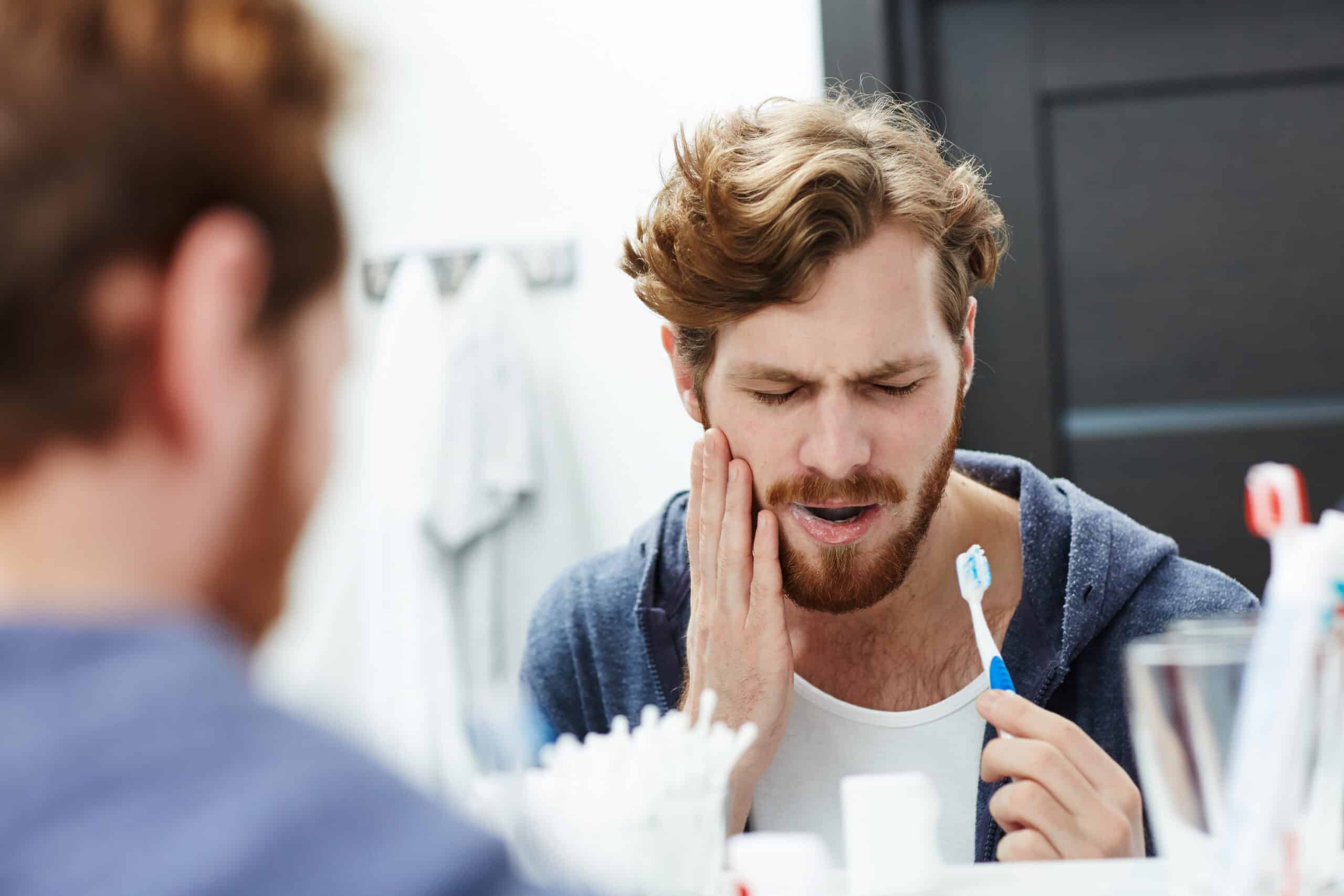
A sip of cold water or a bite of ice cream should not leave you bracing for a sharp jolt of tooth pain. If it does, changing your toothpaste may help. But choosing the right product means looking beyond packaging that simply says “for sensitive teeth.”
The best toothpaste for sensitive teeth generally combines an effective desensitizing ingredient with fluoride for everyday cavity protection. Ingredients such as stannous fluoride and potassium-based compounds can help reduce sensitivity over time, although the best option also depends on why your teeth are sensitive in the first place.
At Park Falls Dental, we encourage patients to treat sensitivity as a symptom rather than something to cover up indefinitely. Desensitizing toothpaste can help many people, but persistent, worsening, or sudden sensitivity may need a dental examination to rule out decay, gum recession, a damaged filling, or a cracked tooth.
Why Do Teeth Become Sensitive?
Healthy tooth crowns are covered by enamel. Beneath that enamel is dentin, a more porous layer containing microscopic channels that can transmit sensations toward the inner part of the tooth.
When enamel becomes worn or the gums recede and expose part of the root, those pathways become more vulnerable to temperature changes, touch, and certain foods.
Common sensitivity triggers include:
- Cold drinks or ice cream
- Hot coffee or tea
- Sweet foods
- Acidic foods and beverages
- Cold air
- Brushing around exposed root surfaces
Sensitivity can also result from cavities, worn fillings, cracked teeth, gum problems, or other conditions. That is why regular general dental care remains important even if sensitive toothpaste seems to reduce the discomfort.
What Ingredients Should You Look for in Sensitive Toothpaste?
Instead of choosing by brand name alone, look at the active ingredients.
The American Dental Association identifies fluoride compounds for cavity prevention and ingredients such as stannous fluoride and potassium-containing formulations for reducing dentin hypersensitivity.
| Ingredient | What It Does | Why It Matters |
|---|---|---|
| Stannous fluoride | Helps protect against cavities and may reduce sensitivity | Can help block exposed dentin pathways |
| Potassium compounds | Help reduce the nerve response associated with sensitivity | Common in desensitizing formulas |
| Sodium fluoride | Strengthens enamel and protects against cavities | Supports everyday decay prevention |
| Gentle abrasives | Help remove plaque and surface stains | Excessively abrasive brushing may worsen sensitive areas |
A clinical study also found that stannous fluoride toothpaste reduced dentinal hypersensitivity compared with the control toothpaste after regular use.
How Do You Choose the Best Toothpaste for Sensitive Teeth?
Not everyone with sensitive teeth needs exactly the same product. A useful selection process focuses on the ingredients, your symptoms, and how your teeth respond.
1. Choose a formula specifically designed for sensitivity
Look for an active desensitizing ingredient rather than relying on claims about whitening, fresh breath, or tartar control alone.
2. Make sure it contains fluoride
Sensitivity relief should not come at the expense of cavity protection. Fluoride helps strengthen enamel and protect vulnerable teeth against decay.
3. Look for evidence-based products
Choosing an established dental product with clear instructions is safer than experimenting with homemade pastes or aggressively abrasive remedies.
4. Consider how sensitive your teeth already are
If your teeth are especially sensitive, a heavily whitening-focused product may not be the most comfortable starting point.
5. Give it time to work
Sensitive toothpaste is usually not an instant solution. Consistent use may be necessary before you notice meaningful improvement.
How Should You Use Sensitive Toothpaste?
Using the right toothpaste incorrectly can limit its benefits.
For a healthier daily routine:
- Brush twice daily with fluoride toothpaste.
- Use a soft-bristled toothbrush.
- Brush with gentle pressure rather than scrubbing.
- Clean carefully along the gumline.
- Floss or clean between your teeth every day.
- Use the sensitive toothpaste consistently rather than changing products every few days.
Routine professional dental cleanings are also important because plaque and hardened tartar cannot always be completely removed with home brushing and flossing alone.
Can Whitening Toothpaste Make Sensitive Teeth Worse?
It can for some people.
Whitening toothpastes often focus on removing external surface stains. Some accomplish this using polishing ingredients that may feel uncomfortable if you already have exposed dentin or irritated gumlines, particularly if you brush aggressively.
That does not mean everyone with sensitive teeth must avoid whitening. It means the product and whitening method should match the condition of your teeth.
If a brighter smile is your goal but sensitivity makes store-bought whitening uncomfortable, professionally supervised teeth whitening allows your dentist to consider factors such as existing sensitivity, enamel condition, restorations, and gum health before treatment.
Does Sensitive Toothpaste Repair Damaged Enamel?
Not exactly.
Fluoride toothpaste can help strengthen and remineralize vulnerable enamel, particularly during the early stages of mineral loss. But toothpaste cannot rebuild a significant amount of enamel that has already been physically worn away.
Desensitizing toothpaste also works differently from actually replacing lost enamel. Some ingredients help block pathways in exposed dentin, while others reduce how strongly nerves respond to sensitivity triggers.
If tooth wear, gum recession, or another structural problem is exposing dentin, the underlying cause may still need treatment.
Can Gum Recession Make Your Teeth Sensitive?
Yes. Gum recession can expose portions of the tooth root that do not have the same protective enamel covering as the crown.
You may notice:
- Teeth appearing longer
- Sensitivity concentrated near the gumline
- Discomfort when drinking something cold
- Visible root surfaces
- Notches near the gumline
Brushing aggressively may also contribute to irritation or wear around vulnerable areas. Use a soft-bristled brush and gentle pressure rather than assuming harder brushing means cleaner teeth.
If the gumline seems to be changing, toothpaste may help with the symptom, but it does not explain why the recession is happening.
When Is Toothpaste Not Enough for Sensitive Teeth?
Sensitive toothpaste is useful for managing dentin hypersensitivity, but it cannot fix every cause of tooth pain.
Schedule a dental evaluation if you notice:
- Sensitivity focused on one particular tooth
- Pain when biting or chewing
- A chipped or cracked tooth
- A loose or damaged filling
- Visible gum recession
- Swelling around a tooth
- A persistent toothache
- Sensitivity that is becoming worse
- Symptoms that do not improve with consistent home care
Sudden or severe pain may indicate a problem that needs more immediate attention. Park Falls Dental also provides emergency dental care for concerns such as severe dental pain, infections, or damaged teeth.
How Can You Protect Sensitive Teeth Beyond Toothpaste?
Changing toothpaste is only one part of protecting sensitive teeth.
You can also:
- Brush gently with a soft-bristled toothbrush
- Use fluoride toothpaste consistently
- Floss every day
- Limit frequent exposure to acidic drinks
- Rinse with water after acidic foods or beverages
- Avoid aggressive tooth brushing
- Keep regular examinations and cleanings
- Ask about nighttime grinding if you wake with tooth or jaw discomfort
- Have cavities, cracks, worn fillings, and gum problems treated promptly
Good preventive habits help protect the enamel and gums rather than simply masking sensitivity when it appears.
Protect Sensitive Teeth With the Right Care
The best toothpaste for sensitive teeth is one that reduces discomfort while still providing the protection your smile needs every day. Look for proven desensitizing ingredients, fluoride, and a formula gentle enough to use consistently.
Just as importantly, pay attention to the pattern of your symptoms. Sensitivity affecting several teeth when you drink something cold may be very different from sharp pain isolated to one tooth.
At Park Falls Dental, we can evaluate sensitive teeth, identify what is causing the discomfort, and recommend care based on what your smile actually needs. Schedule an appointment with our Ukiah team if tooth sensitivity is interfering with eating, drinking, brushing, or your everyday comfort.
Frequently Asked Questions
What is the best ingredient in toothpaste for sensitive teeth?
Stannous fluoride and potassium-based compounds are commonly used in desensitizing toothpaste. The best option depends on the cause of your sensitivity as well as your cavity-prevention and oral-health needs.
How long does sensitive toothpaste take to work?
Desensitizing toothpaste often requires consistent use before you notice its full effect. Follow the product directions, and see your dentist if symptoms continue or become worse.
Is fluoride toothpaste good for sensitive teeth?
Yes. Fluoride helps strengthen enamel and protect against tooth decay. Stannous fluoride can provide fluoride protection while also helping reduce dentin sensitivity.
Can I use sensitive toothpaste every day?
Most desensitizing toothpastes are designed for regular use. Follow the product directions and any recommendations provided by your dentist.
Why is only one of my teeth sensitive?
Sensitivity limited to one tooth can have several causes, including decay, a crack, a damaged filling, exposed dentin, or another dental problem. Persistent localized sensitivity should be evaluated rather than managed indefinitely with toothpaste alone.
Should I see a dentist if sensitive toothpaste does not work?
Yes. If sensitivity persists despite consistent use, becomes worse, or occurs with pain, swelling, or discomfort when biting, a dental examination can identify whether another problem is responsible.