How Much Do Dental Implants Cost in Ukiah, CA? A Complete Pricing Guide

The cost of dental implants in Ukiah, CA depends on how many teeth need to be replaced, the type of implant restoration, whether extractions or bone grafting are needed, and whether you are replacing one tooth or a full arch. For a single tooth, pricing often falls around $3,000 to $7,000 when the implant, abutment, and crown are included. For full-arch treatment, All-on-4 or fixed full arch implants often range from about $20,000 to $45,000 per arch.

If you are asking how much dental implants cost in Ukiah, CA, the most accurate answer starts with an exam. Our team at Park Falls Dental needs to evaluate your teeth, gums, bone support, bite, health history, and goals before giving you a personalized estimate.

Why Dental Implant Cost Varies So Much

Dental implants are not priced the same for every patient because the treatment is highly personalized. Replacing one missing tooth is very different from replacing several teeth or restoring a full arch.

The final cost may depend on:

  • How many implants are needed
  • Whether you need one crown, a bridge, or a full-arch restoration
  • Whether damaged teeth need to be removed first
  • Whether bone grafting or other preparatory treatment is needed
  • The type of implant materials used
  • The condition of your gums and jawbone
  • The complexity of your bite
  • Whether insurance, CareCredit, or financing applies

Average Dental Implant Cost in 2025

For a single dental implant, pricing usually depends on whether the fee includes only the implant post or the full restoration. CareCredit lists the national average cost for a single tooth implant at $2,143, with a range from $1,646 to $4,175, but that does not include the cost of the dental crown. Individual crowns may add $488 to $3,254, depending on the material.

In practical terms, many patients should expect a full single-tooth implant restoration to fall somewhere around $3,000 to $7,000, especially when the implant, abutment, crown, imaging, and related treatment are included.

Here is a simple pricing guide:

Treatment Type General Price Range What It Usually Means
Single implant post only $1,646–$4,175 Implant fixture without the final crown
Implant crown $488–$3,254 The visible tooth attached to the implant
Full single-tooth implant restoration $3,000–$7,000 Implant, abutment, crown, and related steps
Immediate-load implant $2,506–$5,953 Same-day style implant placement when appropriate
All-on-4 or fixed full arch implants $20,000–$45,000 per arch Full-arch tooth replacement supported by implants

These numbers are general estimates. Your actual dental implant cost in Ukiah may be higher or lower depending on your treatment needs.

How Much Do Full-Arch Dental Implants Cost?

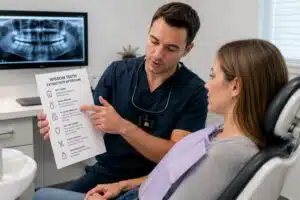
Patient discussing dental implant in Ukiah CA

Full-arch implants are used when most or all teeth in the upper or lower arch need to be replaced. Instead of replacing each tooth with an individual implant, a full-arch restoration uses a smaller number of implants to support a complete set of replacement teeth.

For patients comparing All-on-4 implants price Ukiah CA, a realistic range is often $20,000 to $45,000 per arch. This range may include the implant placement, temporary teeth, follow-up visits, and the final prosthesis, depending on the treatment plan.

Full-arch treatment costs more than a single implant because it replaces a larger portion of the smile and requires more planning. It may involve extractions, surgical planning, temporary teeth, permanent teeth, follow-up visits, and careful bite design.

Single Dental Implant vs. Fixed Full Arch Implants

The best option depends on how many teeth are missing and how stable your current teeth are.

Situation Possible Option Why It May Fit
One missing tooth Single dental implant Replaces one tooth without involving nearby teeth
Several missing teeth Implant bridge or partial denture Replaces multiple teeth with fewer implants
Loose or failing dentures Fixed full arch implants Creates a more stable alternative to removable dentures
Most teeth missing or failing All-on-4 or full-arch treatment Restores a full upper or lower arch
Severe bone loss More detailed implant planning Bone support needs to be evaluated first

At our Ukiah office, we offer dental implants and fixed full arch dental implants for patients who want a stronger, more stable way to replace missing teeth.

What Is Usually Included in Dental Implant Pricing?

When comparing implant fees, it is important to ask what is included. A low price may only refer to the implant post, not the entire tooth replacement process.

Dental implant treatment may include:

  • Consultation and exam
  • Digital imaging or X-rays
  • Tooth extraction if needed
  • Bone grafting if needed
  • Implant placement
  • Healing time and follow-up visits
  • Abutment placement
  • Crown, bridge, denture, or full-arch restoration
  • Adjustments after placement

This is why two implant estimates can look very different. One may include only part of the process, while another may include the surgical and restorative steps together.

What Can Increase the Cost of Dental Implants?

Some patients have a straightforward implant case. Others need additional care before implants can be placed safely.

Tooth Extractions

If a damaged or failing tooth needs to be removed before implant placement, the extraction can affect the total cost. Some patients need one extraction, while others need several teeth removed before full-arch treatment.

Bone Grafting

Dental implants need strong bone support. If the jawbone has shrunk after tooth loss, bone grafting may be recommended before or during implant placement. This can add cost and healing time.

Gum Health

Healthy gums help support long-term implant success. If gum disease is present, periodontal treatment may be needed before implant treatment begins.

Number of Implants

Replacing one tooth costs less than replacing several teeth. Full-arch treatment costs more because it involves more implants, more planning, and a larger restoration.

Restoration Material

Crowns, bridges, and full-arch teeth can be made from different materials. Some materials cost more because of their strength, appearance, or durability.

Sedation or Comfort Options

Some patients may need or prefer additional comfort options, especially for larger implant procedures. This can affect the total cost.

Are Dental Implants Worth the Cost?

Dental implants can cost more upfront than some other tooth replacement options, but they may offer important long-term benefits. Implants are designed to replace missing tooth roots, which helps create a stable foundation for crowns, bridges, or full-arch teeth.

Dental implants may help:

  • Improve chewing strength
  • Replace missing teeth without relying on removable dentures
  • Support a more natural-looking smile
  • Help preserve jawbone stimulation
  • Improve speech and confidence
  • Create a stable foundation for full-arch teeth
  • Reduce movement compared with traditional dentures

Dental Implant Financing in Ukiah

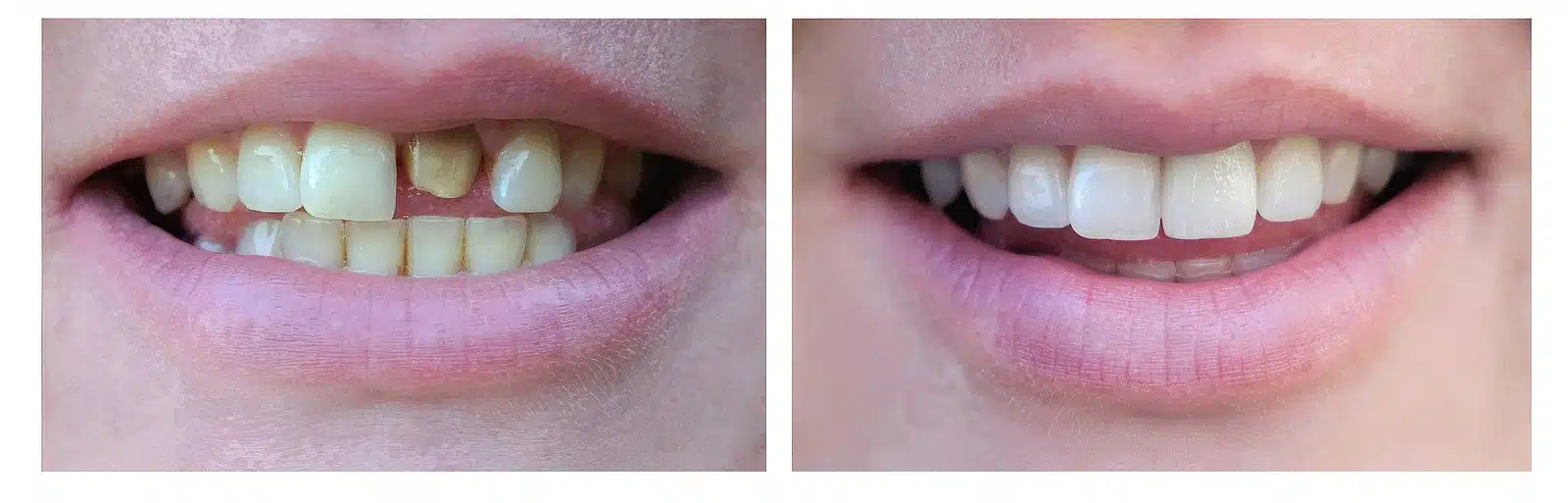
Smiling patient after dental implant treatment in Ukiah CA

Cost should not be the only reason you avoid learning your options. At Park Falls Dental, our team can help you explore payment and financing options so treatment feels more manageable.

Patients looking for dental implant financing Ukiah may be able to use CareCredit to help pay for out-of-pocket dental costs. CareCredit can be used with participating dental providers, and Park Falls Dental appears in CareCredit’s provider directory.

CareCredit may be helpful for patients who want to break treatment costs into monthly payments, but approval, terms, interest, and repayment details depend on the financing plan. During your consultation, our team can help you understand available payment options and what may fit your treatment plan.

Does Insurance Cover Dental Implants?

Dental insurance coverage for implants varies by plan. Some plans may help with part of the procedure, while others may only cover related services such as exams, extractions, crowns, or dentures.

At Park Falls Dental, we accept Delta Dental, Ameritas, and United Concordia. If you have one of these plans, our team can help you review your benefits and understand whether any part of your dental implant treatment may be covered.

Before starting treatment, it helps to ask:

  • Does my plan cover dental implants?
  • Does it cover the crown or only part of the procedure?
  • Is there a waiting period?
  • Is there an annual maximum?
  • Will bone grafting or extractions be covered?
  • Do I need pre-authorization?

Our office can help you review the information needed for your estimate, but your insurance provider decides what benefits apply.

Affordable Dental Implants in Mendocino County: What to Know

When patients search for affordable dental implants in Mendocino County, the goal is usually not to find the cheapest option. The goal is to find treatment that is safe, durable, well-planned, and financially manageable.

Choosing implants based only on price can be risky if the estimate does not include the full process or if important steps are left out. A better question is: what does the treatment include, and is the plan built around long-term success?

A strong implant plan should account for:

  • Your bone support
  • Your bite
  • Your gum health
  • The number of missing teeth
  • The restoration material
  • Your long-term chewing needs
  • Your comfort during treatment
  • Your budget and payment options

That kind of planning helps you compare value, not just cost.

How to Pay for Dental Implants with CareCredit

Patients often ask how to pay for dental implants with CareCredit because implant treatment can be a major investment. CareCredit may allow qualified patients to finance dental implant treatment instead of paying the full amount at once.

Here is how the process generally works:

  1. Start with an implant consultation.
  2. Receive a treatment plan and cost estimate.
  3. Review what insurance may or may not cover.
  4. Apply for CareCredit if financing is a good fit.
  5. Compare monthly payment options before starting treatment.

Financing does not reduce the total cost of care, but it may make the timing easier by spreading payments out over time.

Begin Your Dental Implant Care in Ukiah, CA with a Practice that Cares

Park Falls Dental is located at 1252 Airport Park Boulevard, Suite D-1, Ukiah, CA 95482. Our office is convenient for patients coming from central Ukiah, the Airport Park Boulevard area, South State Street, Talmage Road, and nearby Mendocino County communities.

Our Ukiah office provides general dentistry, tooth extractions, dentures, cosmetic dentistry, dental implants, and full-arch implant options for patients who want to restore missing teeth with a stable, functional solution.

If you are wondering how much dental implants cost in Ukiah, CA, a consultation is where we can give you the clearest answer. We will look at your mouth, discuss your goals, explain your options, and help you understand the cost before treatment begins.

Frequently Asked Questions

How much do dental implants cost in Ukiah, CA?

The cost depends on your treatment plan. A single-tooth implant restoration often costs several thousand dollars nationally, while full-arch implants commonly range from about $20,000 to $45,000 per arch. Your exact estimate depends on your exam, imaging, bone support, and restoration type.

What affects dental implant cost the most?

The biggest factors are the number of implants needed, whether extractions or bone grafting are required, the type of restoration, the material used, your gum health, and the complexity of your bite.

How much do All-on-4 implants cost in Ukiah, CA?

All-on-4 or fixed full arch implants often range from about $20,000 to $45,000 per arch. The final cost depends on the number of implants, the type of prosthesis, whether extractions are needed, and the details of your treatment plan.

Does CareCredit help pay for dental implants?

CareCredit may help qualified patients pay for dental implants through monthly financing. Approval, terms, and repayment details depend on the financing plan. Our team can help you review payment options after your consultation.

Are dental implants cheaper than dentures?

Traditional dentures usually cost less upfront than dental implants. However, implants may offer better stability, chewing support, and long-term function. The right choice depends on your budget, oral health, comfort, and replacement goals.

Invisalign vs. Braces in Ukiah: Which Works Better for Adults?

Adult orthodontic treatment is not one-size-fits-all. If you are comparing Invisalign vs braces for adults in Ukiah, CA, the better option depends on your teeth, bite, lifestyle, budget, and how much correction is needed. Invisalign can be a great choice for adults who want a discreet, removable option, while braces may be better for more complex crowding, bite problems, or tooth movement that needs stronger control.

At Park Falls Dental, our team helps adults compare both options clearly before starting treatment. The goal is not to push one treatment over the other. It is to help you choose the option that can give you the healthiest, most predictable result.

Why Adults Compare Invisalign and Braces

Many adults want straighter teeth, but they also want treatment that fits into work, family life, social settings, and daily routines. Some adults never had orthodontic treatment as teens. Others had braces years ago but noticed their teeth shifting again.

Adult orthodontic treatment can help with:

  • Crowded or overlapping teeth
  • Gaps between teeth
  • Teeth that shifted after past treatment
  • Bite problems
  • Uneven smile appearance
  • Difficulty cleaning between crooked teeth
  • Confidence when smiling or speaking

The right treatment depends on what needs to change. That is why a consultation matters when comparing Invisalign vs braces for adults in Ukiah, CA. What looks like a simple cosmetic concern may involve bite function, tooth position, gum health, or long-term stability.

How Invisalign Works for Adults

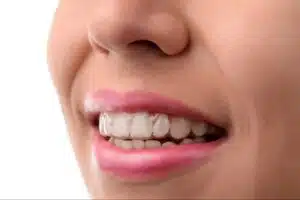
Adult wearing clear aligners for adult orthodontic treatment in Ukiah CA

Invisalign uses a series of clear, removable aligners that gradually move teeth into better positions. Each set of aligners is worn for a specific stage of treatment before moving to the next set.

For many adults, Invisalign in Ukiah, CA is appealing because the aligners are clear, removable, and easier to fit into everyday life than fixed brackets and wires. You can remove them for meals, brushing, and flossing, which can make oral hygiene simpler during treatment.

Invisalign may be a good fit if you want:

  • A less noticeable orthodontic option
  • Removable trays for eating and cleaning
  • Fewer food restrictions than braces
  • A treatment option that fits a professional or social lifestyle
  • Mild to moderate correction, depending on your case

The biggest responsibility with Invisalign is wear time. Since the trays are removable, treatment only works well when you wear them as instructed.

How Braces Work for Adults

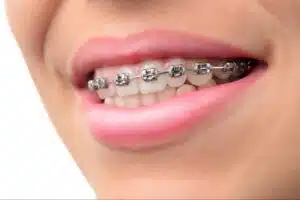
Braces use brackets and wires to guide teeth into better alignment over time. Unlike Invisalign, braces stay attached to the teeth throughout treatment. That can be an advantage for adults who want a fixed option that does not depend on remembering to wear aligners.

Metal braces are often recommended when more controlled tooth movement is needed. They can be especially useful for moderate to severe crowding, complex bite issues, rotated teeth, or cases where removable aligners may not be predictable enough.

Braces may be a good fit if you need:

  • Stronger control over tooth movement
  • Correction for more complex alignment issues
  • Bite correction
  • A treatment option you do not have to remove or remember to wear
  • A reliable option for teeth that need detailed movement

When comparing clear aligners vs metal braces, the main difference is flexibility versus control. Clear aligners are removable and discreet. Metal braces are fixed and may offer stronger correction for certain cases.

Invisalign vs. Braces: Quick Adult Comparison

Factor Invisalign Braces
Appearance Clear and discreet More visible
Removable? Yes No
Food restrictions Fewer restrictions Avoid hard, sticky, chewy foods
Cleaning Easier to brush and floss Requires extra cleaning around brackets
Best for Mild to moderate cases, depending on fit Mild to complex cases
Responsibility Must wear aligners as instructed Works continuously because it is fixed
Office visits Periodic progress checks Adjustment visits needed
Lifestyle fit Popular with adults who want discretion Good for adults who want a fixed option

Both treatments can work well. The better choice depends on your diagnosis and how predictable the result is likely to be.

Is Invisalign Worth It for Adults?

Many patients ask, is Invisalign worth it for adults? For the right candidate, yes. Invisalign can be worth it if you want a discreet way to straighten your teeth and you are willing to wear your aligners consistently.

Invisalign may be especially valuable for adults who want treatment without brackets and wires showing in meetings, photos, social events, or daily conversations. It can also make brushing and flossing easier because the aligners come out.

However, Invisalign is not worth it if the trays are not worn as directed. It may also not be the best option for every complex bite issue. If your case needs more controlled movement, braces may be the more predictable choice.

How Long Does Invisalign Take?

A common question is how long does Invisalign take? Treatment time depends on the amount of tooth movement needed. Some mild cases may take several months, while more involved cases may take 12 to 18 months or longer.

Treatment length can depend on:

  • How crowded or spaced the teeth are
  • Whether bite correction is needed
  • How consistently the aligners are worn
  • Whether refinements are needed
  • How the teeth respond to movement

Braces can also vary widely in timeline. Some adults may finish treatment in about a year, while more complex cases may take closer to two years or more. During your consultation, our team can explain what kind of timeline makes sense for your smile.

Invisalign Cost in Ukiah

Invisalign cost in Ukiah depends on the complexity of your case, treatment length, the number of aligners needed, and whether insurance or financing applies. In many cases, Invisalign may fall within a broad national range of about $3,000 to $7,000, though some cases may be lower or higher depending on the treatment plan.

Braces can fall within a similar range, but the final cost depends on the type of braces, treatment time, and case complexity. The most accurate way to compare cost is to have your teeth and bite evaluated, then review both treatment options side by side.

At Park Falls Dental, our team can help you understand estimated cost, insurance considerations, and payment options before you begin. We know adults often have to balance treatment with family, work, and financial priorities, so clarity matters from the start.

Which Option Is Better for Busy Adults?

Adult smiling with braces during orthodontic treatment in Ukiah CA

For busy adults, Invisalign can be easier in some ways because there are fewer food restrictions and the aligners are less noticeable. You can remove them for meals, important events, and daily cleaning. That flexibility is a major reason many adults ask about Invisalign first.

But flexibility also means responsibility. If you forget to wear your aligners or leave them out for long periods, treatment can fall behind.

Braces may be better for adults who want a treatment option that works continuously. Since braces are fixed, you do not have to remember to put them back in after eating. The tradeoff is that cleaning takes more effort, and some foods need to be avoided.

Best Orthodontic Option for Adults in Mendocino County

The best orthodontic option for adults in Mendocino County is the one that fits your teeth, bite, health, lifestyle, and goals. Invisalign may be ideal if your case is a good fit and you want discreet treatment. Braces may be better if you need stronger correction or do not want the responsibility of removable trays.

A consultation helps answer the most important questions:

  • Can Invisalign correct your case predictably?
  • Would braces give better control?
  • How long would treatment take?
  • What would treatment cost?
  • Will insurance or financing help?
  • What result can you realistically expect?

At our Ukiah office, we can help you compare Invisalign with other dental and orthodontic options based on your actual smile, not guesswork.

Getting Invisalign or Braces in Ukiah, CA

Park Falls Dental is located at 1252 Airport Park Boulevard, Suite D-1, Ukiah, CA 95482. Our office is convenient for adults coming from central Ukiah, the Airport Park Boulevard area, South State Street, Talmage Road, and nearby Mendocino County communities.

Our Ukiah team provides general dentistry, dental cleaning, cosmetic dentistry, teeth whitening, and Invisalign care for patients who want to improve both oral health and smile confidence.

If you are comparing Invisalign and braces, the first step is a clear evaluation. We can explain what each option can do, what may limit treatment, and which path is more likely to give you the result you want.

The Better Choice Depends on Your Smile

Invisalign and braces can both work well for adults. Invisalign is often a strong choice for adults who want a clear, removable option that fits into daily life. Braces may be better when the case needs more control, especially with complex crowding or bite concerns.

The best answer comes from an exam, not a guess. If you are comparing Invisalign vs braces for adults in Ukiah, CA, Park Falls Dental can help you understand your options, compare cost and timeline, and choose a treatment plan built around your smile. Schedule your Invisalign consultation today.

Frequently Asked Questions

Is Invisalign better than braces for adults?

Invisalign may be better for adults who want a clear, removable option and have a case that aligners can correct predictably. Braces may be better for complex tooth movement, bite correction, or patients who prefer a fixed option.

Is Invisalign worth it for adults?

Yes, Invisalign can be worth it for adults who want discreet treatment and can wear the aligners as instructed. It may not be the best option for every case, so a consultation is the best way to know.

How long does Invisalign take for adults?

Invisalign treatment may take several months for mild cases or 12 to 18 months or longer for more involved cases. Your timeline depends on your teeth, bite, treatment goals, and aligner wear.

How much does Invisalign cost in Ukiah?

Invisalign cost in Ukiah varies by case complexity, treatment length, number of aligners, and insurance benefits. Many Invisalign cases fall within a broad national range of about $3,000 to $7,000, but your exact estimate depends on your consultation.

Are clear aligners as effective as metal braces?

Clear aligners can be very effective for many mild to moderate cases. Metal braces may be more effective for certain complex cases because they offer fixed control throughout treatment.

What to Expect After a Tooth Extraction in Ukiah: A Day-by-Day Recovery Guide

Recovering from a tooth extraction is a gradual process, and knowing what to expect each day can make healing easier and less stressful. This guide explains the tooth extraction recovery Ukiah, CA timeline so you can understand normal symptoms, proper care, and warning signs to watch for.

Understanding the Healing Process

After a tooth is removed, a blood clot forms in the socket. This clot is essential because it protects the bone and nerves underneath while new tissue begins to grow. If the clot becomes dislodged, it can lead to complications such as dry socket, which may cause significant pain and delayed healing.

Following proper tooth extraction aftercare instructions is the most important part of recovery.

Tooth Extraction Recovery Day by Day

Day 1: First 24 Hours

The first day focuses on rest and clot formation.

Common symptoms include:

  • Mild bleeding or oozing
  • Swelling around the jaw or cheek
  • Numbness wearing off
  • Soreness at the extraction site

What to do:

  • Bite gently on gauze as instructed
  • Use cold compresses on the outside of the face
  • Rest and avoid physical activity
  • Eat soft, cool foods

What to avoid:

  • Spitting or rinsing forcefully
  • Drinking through a straw
  • Smoking or vaping
  • Hot foods and drinks

Day 2: Swelling Peaks

Swelling is often most noticeable on the second day.

You may experience:

  • Increased swelling
  • Ongoing soreness
  • Mild jaw stiffness

Helpful care:

  • Continue cold compresses in intervals
  • Stick to soft foods such as yogurt, mashed potatoes, or lukewarm soup
  • Drink plenty of fluids

Day 3: Early Healing Begins

By the third day, swelling may peak and then start to improve.

You may notice:

  • Reduced bleeding
  • Gradual pain improvement
  • Early tissue formation in the socket

This is an important time for dry socket symptoms and prevention, since complications often begin here if the clot is disturbed.

If pain suddenly increases instead of improving, contact your dentist.

Days 4–7: Noticeable Improvement

Most patients begin to feel better during this stage.

You may experience:

  • Less swelling and discomfort
  • Improved ability to eat soft foods
  • Gum tissue starting to close

Continue:

  • Gentle saltwater rinses if recommended
  • Soft diet with gradual progression
  • Careful brushing around the area

Healing becomes much more comfortable during this stage of tooth removal recovery day by day.

Week 2: Gum Healing Strengthens

By the second week:

  • Gum tissue continues closing
  • Sensitivity decreases
  • Normal eating slowly returns

Even though symptoms improve, deeper healing is still taking place beneath the surface.

Weeks 3–4 and Beyond: Final Healing

At this stage:

  • The gum fully closes
  • Bone continues to regenerate
  • Any tenderness is minimal or gone

Full internal healing may continue for several months.

Pain After Tooth Extraction: What Is Normal

Understanding pain after tooth extraction what is normal can help you feel more confident during recovery and recognize when something may be wrong.

In most cases, pain is mild to moderate and follows a predictable pattern. It is usually strongest within the first 24 to 48 hours and gradually improves over the next few days. The discomfort often feels like soreness, tenderness, or a dull ache around the extraction site.

It is also normal to experience:

  • Slight throbbing near the extraction area
  • Sensitivity when opening your mouth or chewing
  • Mild jaw stiffness
  • Discomfort that responds to prescribed or over-the-counter pain medication

Pain should steadily improve each day. By the third or fourth day, most patients notice a clear reduction in discomfort.

However, pain may not be normal if it:

  • Becomes more intense after day 3
  • Radiates to the ear, eye, or neck
  • Is accompanied by a bad taste or odor
  • Does not improve with medication

These could be signs of dry socket or infection and should be evaluated promptly by Park Falls Dental.

What to Eat After Tooth Extraction

Eating the right foods helps support healing and prevents irritation.

Recommended foods:

  • Yogurt
  • Mashed potatoes
  • Applesauce
  • Scrambled eggs
  • Soft soups (lukewarm)
  • Protein shakes without a straw

Foods to avoid early on:

  • Chips, nuts, and crunchy foods
  • Spicy or acidic foods
  • Hot beverages
  • Alcohol and carbonated drinks

Tooth Extraction Aftercare Instructions

Proper care helps prevent complications and supports faster healing:

  • Keep the extraction site clean without disturbing the clot
  • Take medications as prescribed
  • Avoid smoking or suction actions
  • Use saltwater rinses only when advised
  • Rest for at least 24–48 hours

How Long Does Tooth Extraction Healing Take?

Healing time depends on the complexity of the extraction, but general stages include:

  • Initial healing: 7–10 days
  • Gum closure: 2–3 weeks
  • Full bone healing: several months

Most people return to normal routines within a few days.

Dry Socket Symptoms and Prevention

Dry socket occurs when the blood clot is lost or fails to form properly, exposing bone and nerves.

Symptoms include:

  • Severe pain starting 1–3 days after extraction
  • Pain that radiates to the ear or jaw
  • Bad taste or odor
  • Visible empty socket

Prevention tips:

  • Avoid straws and smoking
  • Do not rinse aggressively
  • Follow aftercare instructions carefully
  • Stick to soft foods during early healing

When to Contact Park Falls Dental

Contact Park Falls Dental if you experience:

  • Pain that worsens after day 3
  • Heavy or persistent bleeding
  • Signs of infection, such as fever or swelling
  • Persistent bad taste or odor

Conclusion

Understanding your tooth extraction recovery Ukiah, CA timeline helps you recover with confidence and avoid complications. While some discomfort is normal in the first few days, healing should steadily improve with proper care.

Park Falls Dental is committed to supporting patients through every stage of recovery with clear guidance and personalized care.

FAQs

1. How long does pain last after a tooth extraction?

Pain usually lasts 1–3 days and gradually improves with proper care.

2. What is normal pain after tooth extraction?

Normal pain feels like soreness or tenderness that gets better each day.

3. When can I eat normally again?

Most patients return to a normal diet within 1–2 weeks.

4. How do I know if I have dry socket?

Severe pain a few days after extraction, bad taste, or visible bone may indicate dry socket.

5. Can I brush my teeth after an extraction?

Yes, but avoid the extraction site for the first 24 hours and brush gently around it afterward.

Schedule Your Follow-Up Care

If you’ve recently had a tooth extraction or are preparing for one, proper guidance makes all the difference in recovery. Park Falls Dental provides personalized aftercare instructions and follow-up support to ensure your healing stays on track.

If you’re experiencing unusual pain, swelling, or concerns during recovery, don’t wait—early evaluation can prevent complications like dry socket and infection.

Contact Park Falls Dental to schedule a follow-up appointment or speak with a dental professional about your recovery.

Why Your Gums Are Bleeding — And What It Could Mean for Your Overall Health

If you’ve ever noticed blood when brushing or flossing, you may have asked yourself: why are my gums bleeding in Ukiah, CA? While it’s a common concern, bleeding gums are not something you should ignore. In many cases, they are one of the earliest warning signs that something is wrong with your oral health. Left unaddressed, this seemingly minor symptom can develop into more serious dental conditions and even impact your overall health.

At Park Falls Dental, patients are encouraged to treat bleeding gums as an important signal rather than a temporary inconvenience. By identifying the cause early and taking the right steps, you can protect both your smile and your long-term wellness.

What Causes Bleeding Gums?

Bleeding gums can result from a variety of factors, and understanding the underlying cause is the first step toward effective treatment. While some cases are mild and temporary, others may indicate the beginning of gum disease or another health concern.

One of the most common causes is plaque buildup. Plaque is a sticky film of bacteria that constantly forms on your teeth. When it is not removed through daily brushing and flossing, it begins to irritate the gum tissue. This irritation leads to inflammation, which causes the gums to become red, swollen, and more prone to bleeding. This early stage of gum disease is known as gingivitis.

Another contributing factor is inconsistent oral hygiene. Skipping flossing or not brushing thoroughly allows bacteria to accumulate along the gumline, increasing the likelihood of irritation and bleeding. At Park Falls Dental, patients are guided on proper techniques to ensure they are effectively removing plaque at home.

Interestingly, brushing too aggressively can also cause bleeding. Many people assume that harder brushing leads to cleaner teeth, but this can actually damage delicate gum tissue. Using a soft-bristled toothbrush and a gentle technique is essential for maintaining healthy gums.

Hormonal changes can also play a role. During pregnancy, menstruation, or menopause, the body experiences fluctuations that can make gums more sensitive and reactive to plaque. This often leads to increased bleeding even with regular oral care.

Nutritional deficiencies are another possible cause. Vitamins such as C and K are essential for gum health and proper blood clotting. When the body lacks these nutrients, the gums may become weaker and more susceptible to bleeding.

Certain medications, especially blood thinners, can also contribute to the problem. If you are taking prescription medications and notice persistent bleeding, it is important to discuss this with your dentist.

Gum Disease Signs You Should Not Ignore

If you are experiencing bleeding gums in Ukiah, it is important to look beyond the bleeding itself and pay attention to other potential symptoms. Gum disease often progresses gradually, and recognizing the warning signs early can prevent more serious complications.

In addition to bleeding, you may notice that your gums appear swollen or feel tender to the touch. Some people experience persistent bad breath that does not improve with brushing or mouthwash. Others may see their gums starting to pull away from the teeth, making the teeth appear longer than before.

As gum disease advances, it can begin to affect the stability of your teeth. You might notice slight movement, discomfort when chewing, or even changes in the way your teeth fit together. These symptoms indicate that the infection has moved beyond the surface and is beginning to impact the supporting structures of your teeth.

At Park Falls Dental, early diagnosis of these symptoms allows for more conservative and effective treatment. Addressing gum disease in its initial stages can often reverse the condition and restore gum health.

Is Bleeding Gums Serious?

A common question many patients ask is, is bleeding gums serious? The answer depends on the frequency and underlying cause, but in most cases, it should be taken seriously.

Occasional bleeding caused by minor irritation may not be a major concern. However, if bleeding occurs regularly, it is often a sign of inflammation or infection in the gums. When left untreated, this inflammation can progress into periodontitis, a more advanced form of gum disease.

Periodontitis does not only affect the gums. It can damage the bone that supports your teeth, leading to tooth mobility and eventual tooth loss. This process is gradual, which is why many people do not realize the severity until significant damage has already occurred.

Dental professionals at Park Falls Dental emphasize that early intervention is key. Treating gum issues early can prevent long-term complications and help preserve your natural teeth.

The Link Between Gum Disease and Overall Health

Bleeding gums are not just a dental issue. Research has shown that oral health is closely connected to overall health, and gum disease can have far-reaching effects throughout the body.

One of the most well-known connections is the gum disease and heart disease link. Inflammation in the gums can allow bacteria to enter the bloodstream, where they may contribute to the buildup of plaque in the arteries. This can increase the risk of cardiovascular problems over time.

There is also a strong relationship between gum disease and diabetes. People with diabetes are more susceptible to infections, including those in the gums. At the same time, gum disease can make it more difficult to control blood sugar levels, creating a cycle that affects overall health.

Respiratory health can also be impacted. Bacteria from the mouth can be inhaled into the lungs, potentially leading to infections or worsening existing conditions. Additionally, studies have suggested a link between severe gum disease and complications during pregnancy, including premature birth.

These connections highlight the importance of addressing bleeding gums promptly. At Park Falls Dental, patient care is approached with a focus on both oral and systemic health, recognizing that the two are closely intertwined.

Bleeding Gums Causes and Treatment Options

Treating bleeding gums effectively requires a personalized approach based on the underlying cause. For many patients, the first step is a professional dental cleaning. This process removes plaque and tartar buildup that cannot be eliminated through brushing alone. Once the irritants are removed, the gums often begin to heal.

For patients with more advanced symptoms, deeper cleaning procedures such as scaling and root planing may be recommended. This treatment targets bacteria below the gumline and helps the gums reattach to the teeth.

Improving daily oral hygiene is another essential part of treatment. Brushing twice a day with a soft-bristled toothbrush and flossing regularly can significantly reduce inflammation and prevent further issues. At Park Falls Dental, patients receive personalized guidance to ensure their at-home routine is both effective and sustainable.

In some cases, antimicrobial rinses or medications may be used to control infection. Lifestyle factors also play an important role. Quitting smoking, improving nutrition, and managing stress can all contribute to healthier gums.

How to Stop Bleeding Gums at Home

If your symptoms are mild, there are several ways to support gum healing at home. Establishing a consistent oral hygiene routine is one of the most effective steps you can take. Brushing gently but thoroughly helps remove plaque without causing additional irritation.

Flossing is equally important, as it cleans areas that your toothbrush cannot reach. While it may cause slight bleeding at first, regular flossing actually helps strengthen the gums over time.

Rinsing with warm salt water can provide temporary relief by reducing inflammation and promoting healing. Using an antibacterial mouthwash can further help control bacteria and improve overall gum health.

Staying hydrated and maintaining a balanced diet rich in essential vitamins can also support your body’s ability to heal. However, it is important to remember that home care alone may not be enough if gum disease has progressed. Regular visits to Park Falls Dental ensure that any underlying issues are properly addressed.

When to See a Dentist for Gum Problems

Knowing when to seek professional care is crucial. If your gums continue to bleed for more than a week despite improved oral hygiene, it is time to schedule a dental appointment. Persistent swelling, discomfort, or gum recession are also signs that should not be ignored.

At Park Falls Dental, patients receive comprehensive evaluations to determine the cause of their symptoms. Early treatment not only resolves current issues but also prevents future complications.

Preventing Bleeding Gums in the Future

Preventing bleeding gums requires a combination of good daily habits and regular professional care. Consistency is key when it comes to maintaining gum health.

Brushing and flossing daily helps keep plaque under control, while routine dental visits allow for early detection of any developing issues. Replacing your toothbrush regularly and using the right tools can also make a significant difference.

A healthy lifestyle supports your oral health as well. Eating a balanced diet, avoiding tobacco, and managing underlying health conditions all contribute to stronger, healthier gums. At Park Falls Dental, preventive care is a central focus, helping patients maintain their oral health over the long term.

FAQs

1. Why do my gums bleed when I brush my teeth?

Bleeding while brushing is often caused by plaque buildup leading to gingivitis, but it can also result from brushing too hard or using the wrong type of toothbrush.

2. Is it normal for gums to bleed occasionally?

Occasional bleeding may happen, especially if you have just started flossing, but frequent or persistent bleeding is not normal and should be evaluated by a dental professional.

3. Can bleeding gums heal on their own?

Mild cases may improve with better oral hygiene, but if gum disease is present, professional treatment is usually necessary to fully resolve the issue.

4. What is the fastest way to stop bleeding gums?

Improving your oral hygiene routine, using a soft-bristled toothbrush, flossing daily, and maintaining regular dental visits are the most effective ways to reduce bleeding.

5. When should I see a dentist for bleeding gums?

You should see a dentist if the bleeding lasts more than a week, worsens over time, or is accompanied by other symptoms such as swelling, pain, or loose teeth.

Take the Next Step Toward Healthier Gums

If you are still asking yourself why are my gums bleeding in Ukiah, CA, the most important step you can take is to seek professional care before the problem worsens. Bleeding gums are often an early warning sign, and addressing them promptly can help you avoid more serious dental and health issues.

At Park Falls Dental, patients receive comprehensive, patient-centered care tailored to their individual needs. From routine cleanings and preventive exams to advanced periodontal treatments, their team is committed to helping you achieve and maintain optimal oral health.

Do not ignore the signs your body is giving you. Schedule a visit with Park Falls Dental to protect your gums, preserve your smile, and support your overall well-being.

Dental Implants vs. Dentures vs. All-on-4: Which Tooth Replacement Is Right for You?

A practical guide for Ukiah, CA residents who are missing teeth and want to understand their options — without the jargon.

Losing a tooth — or several — is more common than most people realize. Whether it happened because of an accident, gum disease, or years of dental problems catching up, the real challenge isn’t the loss itself. It’s figuring out what to do next.

Walk into any dentist’s office and you’ll hear a string of terms: implants, dentures, All-on-4, Fixed Full Arch, bone grafts. It can feel overwhelming, especially when you’re already dealing with the stress of tooth loss.

At Park Falls Dental in Ukiah, CA, we’ve been having this exact conversation with patients for over 30 years. This guide is our way of laying everything out plainly — so you can walk into your appointment already knowing the right questions to ask.

The best tooth replacement for you depends on three things: how many teeth you’re missing, the condition of your jawbone, and your budget. There’s no single right answer — but there is a right answer for your situation.

Option 1: Dentures

Dentures are the oldest and most widely known tooth replacement solution, and they remain a genuinely good option for many patients. A full denture replaces an entire arch of teeth; a partial denture fills in gaps while clasping onto remaining natural teeth. Either way, they’re removable — you take them out to clean them and while sleeping.

At Park Falls Dental, our dentures service is designed to give patients a comfortable, natural-looking result that fits their face and bite properly. Modern dentures have come a long way from the ill-fitting sets people joked about a generation ago.

Who dentures work well for

Dentures make the most sense if you need to replace a full arch of teeth quickly, if bone loss makes implants difficult without additional surgery, or if budget is a primary concern. They’re also a reasonable first step — many patients start with dentures and later transition to implant-supported options.

The honest trade-offs

The main downsides worth knowing upfront: dentures can shift while eating or speaking, especially as your jawbone gradually changes shape over time. Because they sit on top of the gums rather than anchoring into the bone, they don’t prevent the bone loss that comes with missing teeth. Most dentures also need to be relined or replaced every five to ten years.

Cost typically runs between $1,200 and $3,500 for a full set, and most major insurance plans cover at least a portion of this.

Option 2: Dental Implants

A dental implant is a small titanium post that gets placed directly into your jawbone, acting as an artificial tooth root. Once it heals and fuses with the bone — a process called osseointegration that takes three to six months — a custom crown is attached on top. The result looks, feels, and functions like a natural tooth.

Our dental implants service at Park Falls Dental uses precise digital imaging so we can plan each placement carefully before the procedure ever begins. This matters — proper positioning is what gives implants their longevity.

Why implants are considered the gold standard

The biggest advantage of a single implant is that it becomes a permanent part of your mouth. You brush it, floss it, and forget it’s not a real tooth. More importantly, because it’s anchored in the bone, it stimulates the jawbone the same way natural roots do — preventing the bone loss and facial sagging that come with other options. Well-maintained implants can last 25 years or longer.

When implants may not be the right fit

Single implants work beautifully for replacing one or two teeth. But if you’re missing most or all of your teeth, placing individual implants for each one becomes expensive and time-consuming. That’s where All-on-4 and Fixed Full Arch options come in. Implants also require adequate bone density — if bone loss is significant, a bone graft may be needed first.

Per-tooth cost typically falls between $3,500 and $6,500, including the post, abutment, and crown. Routine dental cleanings are important for implant health long-term.

Option 3: All-on-4 Dental Implants

All-on-4 is a full-arch restoration technique that uses just four implants to support a complete set of fixed teeth. Two implants go in straight at the front of the arch; two go in at an angle toward the back to maximize contact with whatever bone is available. A full prosthetic arch is then secured onto those four anchors.

What makes this approach remarkable is that most patients leave the office with a set of temporary teeth on the same day the implants are placed. The All-on-4 implants page on our site walks through the full procedure step by step.

The same-day smile factor

For patients who’ve been struggling with dentures for years, the psychological impact of walking out with fixed teeth on day one is significant. These aren’t removable. They don’t slip. You eat your first meal after the appointment with a set of teeth that stay in place.

Bone grafts: usually not needed

Because the back implants are angled to take advantage of denser bone areas, most patients can get All-on-4 without bone grafting — something that would otherwise add months and cost to the process. This makes it a realistic option for people who’ve been told they don’t have enough bone for regular implants.

What to expect in terms of cost and recovery

All-on-4 typically runs between $20,000 and $45,000 per arch. Recovery involves some swelling and discomfort for the first few days, a soft diet during the healing phase, and follow-up visits to monitor how the implants are integrating. Full healing takes three to six months, after which the temporary teeth are replaced with the permanent prosthesis.

Option 4: Fixed Full Arch Dental Implants

Fixed Full Arch implants are Park Falls Dental’s most advanced full-mouth restoration option. Rather than four implants, this approach typically uses six to eight implants per arch, providing even greater stability and distributing bite force more evenly across the jaw.

This is the solution for patients who want the absolute closest experience to natural teeth — maximum chewing strength, zero movement, and a prosthesis crafted from high-grade zirconia or porcelain that’s designed to last decades. You can read more on our Fixed Full Arch Dental Implants page.

How it differs from All-on-4

The core difference is in the number of implants and the resulting stability. All-on-4 is excellent and works well for the vast majority of patients who need full-arch restoration. Fixed Full Arch is the step up — more implants, more support, greater load capacity. It’s particularly well-suited for patients with strong bone, high bite force, or those who simply want the most durable solution available.

Cost typically ranges from $25,000 to $50,000+ per arch. It’s a significant investment, but many patients describe it as the last dental decision they’ll ever need to make.

Quick Comparison: All Four Options Side by Side

Here’s a snapshot to help you see the differences at a glance:

Dentures Implants All-on-4 Fixed Full Arch
Upfront Cost $1,200–$3,500 $3,500–$6,500/tooth $20K–$45K/arch $25K–$50K+/arch
Removable? Yes No No No
Preserves Jawbone? No Yes Yes Yes
Bone Graft Needed? Rarely Sometimes Often Not Sometimes
Recovery Time None 3–6 months 3–6 months 3–6 months
Lifespan 5–10 years 25+ years 20+ years 20+ years
Best For Budget/bone loss 1–2 missing teeth Full arch Full arch, max stability

So Which One Is Right for You?

The honest answer is that there’s no substitute for a proper consultation with a dentist who can look at your X-rays and understand your full situation. But based on the conversations we have most often in our Ukiah office, here’s a practical starting framework:

If you’re missing one or two teeth…

A single dental implant is almost always the best long-term move if your bone is healthy enough. It’s the most natural-feeling, longest-lasting solution for isolated tooth loss.

If you’re missing most or all of your teeth in one arch…

Either All-on-4 or Fixed Full Arch will serve you far better than dentures in the long run. The right choice between them comes down to bone volume and how much stability and durability you’re looking for.

If budget is a major constraint…

Dentures are a legitimate solution, not just a compromise. We offer CareCredit financing to help patients bridge the gap, and implant options can sometimes be phased over time. Talk to us — we’ve helped a lot of Ukiah families find a path that works within their budget.

Other Services That Often Work Alongside Tooth Replacement

Depending on your situation, one or more of these services may be part of your overall treatment plan:

  • Tooth Extraction — Safely removing failing teeth before implant placement
  • Emergency Dentistry — If you’re dealing with acute pain or a dental crisis right now
  • Urgent Care — For Ukiah patients who need to be seen quickly
  • Cosmetic Dentistry — Veneers, whitening, and finishing touches for surrounding natural teeth
  • General Dentistry — Keeping the rest of your mouth healthy throughout treatment

Frequently Asked Questions

How long do dental implants last compared to dentures?

Dental implants, when properly cared for, can last 25 years or longer — often a lifetime. The crown on top may need replacement after 15–20 years, but the implant post itself is designed to be permanent. Dentures typically need relining or replacement every five to ten years as the jawbone changes shape beneath them. The long-term cost difference is often less dramatic than people expect once you factor in the ongoing maintenance and replacement of dentures.

Are dental implants covered by insurance in California?

Coverage varies significantly by plan. Most insurance providers in California cover a portion of implant-related costs — such as the extraction, diagnostic imaging, or the crown — but not always the implant post itself. At Park Falls Dental, we accept Delta Dental, Ameritas, and most major plans. We’re happy to run a benefits check before your appointment so you know exactly what to expect. We also offer CareCredit financing for patients who want to spread payments over time. Contact our office to learn more.

Is All-on-4 better than dentures for full-mouth tooth loss?

For most patients, yes — and often significantly so. All-on-4 implants are permanently fixed, so they don’t shift while you eat or talk. They stimulate the jawbone, preventing the bone loss and facial changes that come with long-term denture use. You also don’t need adhesives, overnight soaking, or any special maintenance beyond regular brushing and flossing. The main reason to consider dentures over All-on-4 is upfront cost. If that’s a real barrier, talk to us — we can walk through financing options and phased approaches.

What is the difference between All-on-4 and Fixed Full Arch implants?

Both are permanently fixed, full-arch solutions that replace all your teeth in one arch. The difference is in the number of implants and resulting stability. All-on-4 uses four implants — enough for most patients and excellent overall. Fixed Full Arch typically uses six to eight implants, distributing bite force more evenly and offering slightly greater long-term durability. Think of it as the difference between a very good solution and the absolute premium option. Our team will recommend which is right for you based on your bone density, bite strength, and goals.

Can I get dental implants if I’ve already had a tooth extraction?

Yes — having a tooth extracted is often the starting point for implant treatment. The key question is how much bone remains at the extraction site. We generally allow the site to heal for a period before placing an implant, though in some cases immediate placement is possible. If bone loss has occurred, a bone graft can rebuild the site over several months. At your consultation, we’ll take imaging and give you a clear picture of what’s needed in your specific case.

Come Talk to Us in Ukiah

Every tooth replacement question is really a personal question — about your health, your lifestyle, and what matters to you. The best way to get a real answer is to sit down with a dentist who can look at your mouth, not just a list of options.

Park Falls Dental has been serving the Ukiah community for over 30 years. We offer implants, All-on-4, Fixed Full Arch, dentures, and every step in between — all under one roof.

Ready to take the first step?

1252 Airport Park Blvd, Suite D-1, Ukiah, CA 95482

New Patients: 707-723-0974 |    Current Patients: 707-462-8719

Schedule a Consultation