
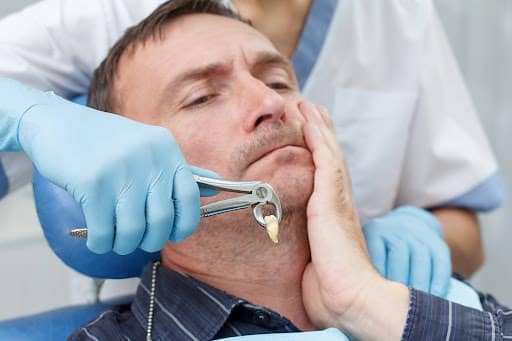
Recovering from a tooth extraction is a gradual process, and knowing what to expect each day can make healing easier and less stressful. This guide explains the tooth extraction recovery Ukiah, CA timeline so you can understand normal symptoms, proper care, and warning signs to watch for.
Understanding the Healing Process
After a tooth is removed, a blood clot forms in the socket. This clot is essential because it protects the bone and nerves underneath while new tissue begins to grow. If the clot becomes dislodged, it can lead to complications such as dry socket, which may cause significant pain and delayed healing.
Following proper tooth extraction aftercare instructions is the most important part of recovery.
Tooth Extraction Recovery Day by Day
Day 1: First 24 Hours
The first day focuses on rest and clot formation.
Common symptoms include:
- Mild bleeding or oozing
- Swelling around the jaw or cheek
- Numbness wearing off
- Soreness at the extraction site
What to do:
- Bite gently on gauze as instructed
- Use cold compresses on the outside of the face
- Rest and avoid physical activity
- Eat soft, cool foods
What to avoid:
- Spitting or rinsing forcefully
- Drinking through a straw
- Smoking or vaping
- Hot foods and drinks
Day 2: Swelling Peaks
Swelling is often most noticeable on the second day.
You may experience:
- Increased swelling
- Ongoing soreness
- Mild jaw stiffness
Helpful care:
- Continue cold compresses in intervals
- Stick to soft foods such as yogurt, mashed potatoes, or lukewarm soup
- Drink plenty of fluids
Day 3: Early Healing Begins
By the third day, swelling may peak and then start to improve.
You may notice:
- Reduced bleeding
- Gradual pain improvement
- Early tissue formation in the socket
This is an important time for dry socket symptoms and prevention, since complications often begin here if the clot is disturbed.
If pain suddenly increases instead of improving, contact your dentist.
Days 4–7: Noticeable Improvement
Most patients begin to feel better during this stage.
You may experience:
- Less swelling and discomfort
- Improved ability to eat soft foods
- Gum tissue starting to close
Continue:
- Gentle saltwater rinses if recommended
- Soft diet with gradual progression
- Careful brushing around the area
Healing becomes much more comfortable during this stage of tooth removal recovery day by day.
Week 2: Gum Healing Strengthens
By the second week:
- Gum tissue continues closing
- Sensitivity decreases
- Normal eating slowly returns
Even though symptoms improve, deeper healing is still taking place beneath the surface.
Weeks 3–4 and Beyond: Final Healing
At this stage:
- The gum fully closes
- Bone continues to regenerate
- Any tenderness is minimal or gone
Full internal healing may continue for several months.
Pain After Tooth Extraction: What Is Normal
Understanding pain after tooth extraction what is normal can help you feel more confident during recovery and recognize when something may be wrong.
In most cases, pain is mild to moderate and follows a predictable pattern. It is usually strongest within the first 24 to 48 hours and gradually improves over the next few days. The discomfort often feels like soreness, tenderness, or a dull ache around the extraction site.
It is also normal to experience:
- Slight throbbing near the extraction area
- Sensitivity when opening your mouth or chewing
- Mild jaw stiffness
- Discomfort that responds to prescribed or over-the-counter pain medication
Pain should steadily improve each day. By the third or fourth day, most patients notice a clear reduction in discomfort.
However, pain may not be normal if it:
- Becomes more intense after day 3
- Radiates to the ear, eye, or neck
- Is accompanied by a bad taste or odor
- Does not improve with medication
These could be signs of dry socket or infection and should be evaluated promptly by Park Falls Dental.
What to Eat After Tooth Extraction
Eating the right foods helps support healing and prevents irritation.
Recommended foods:
- Yogurt
- Mashed potatoes
- Applesauce
- Scrambled eggs
- Soft soups (lukewarm)
- Protein shakes without a straw
Foods to avoid early on:
- Chips, nuts, and crunchy foods
- Spicy or acidic foods
- Hot beverages
- Alcohol and carbonated drinks
Tooth Extraction Aftercare Instructions
Proper care helps prevent complications and supports faster healing:
- Keep the extraction site clean without disturbing the clot
- Take medications as prescribed
- Avoid smoking or suction actions
- Use saltwater rinses only when advised
- Rest for at least 24–48 hours
How Long Does Tooth Extraction Healing Take?
Healing time depends on the complexity of the extraction, but general stages include:
- Initial healing: 7–10 days
- Gum closure: 2–3 weeks
- Full bone healing: several months
Most people return to normal routines within a few days.
Dry Socket Symptoms and Prevention
Dry socket occurs when the blood clot is lost or fails to form properly, exposing bone and nerves.
Symptoms include:
- Severe pain starting 1–3 days after extraction
- Pain that radiates to the ear or jaw
- Bad taste or odor
- Visible empty socket
Prevention tips:
- Avoid straws and smoking
- Do not rinse aggressively
- Follow aftercare instructions carefully
- Stick to soft foods during early healing
When to Contact Park Falls Dental
Contact Park Falls Dental if you experience:
- Pain that worsens after day 3
- Heavy or persistent bleeding
- Signs of infection, such as fever or swelling
- Persistent bad taste or odor
Conclusion
Understanding your tooth extraction recovery Ukiah, CA timeline helps you recover with confidence and avoid complications. While some discomfort is normal in the first few days, healing should steadily improve with proper care.
Park Falls Dental is committed to supporting patients through every stage of recovery with clear guidance and personalized care.
FAQs
1. How long does pain last after a tooth extraction?
Pain usually lasts 1–3 days and gradually improves with proper care.
2. What is normal pain after tooth extraction?
Normal pain feels like soreness or tenderness that gets better each day.
3. When can I eat normally again?
Most patients return to a normal diet within 1–2 weeks.
4. How do I know if I have dry socket?
Severe pain a few days after extraction, bad taste, or visible bone may indicate dry socket.
5. Can I brush my teeth after an extraction?
Yes, but avoid the extraction site for the first 24 hours and brush gently around it afterward.
Schedule Your Follow-Up Care
If you’ve recently had a tooth extraction or are preparing for one, proper guidance makes all the difference in recovery. Park Falls Dental provides personalized aftercare instructions and follow-up support to ensure your healing stays on track.
If you’re experiencing unusual pain, swelling, or concerns during recovery, don’t wait—early evaluation can prevent complications like dry socket and infection.
Contact Park Falls Dental to schedule a follow-up appointment or speak with a dental professional about your recovery.